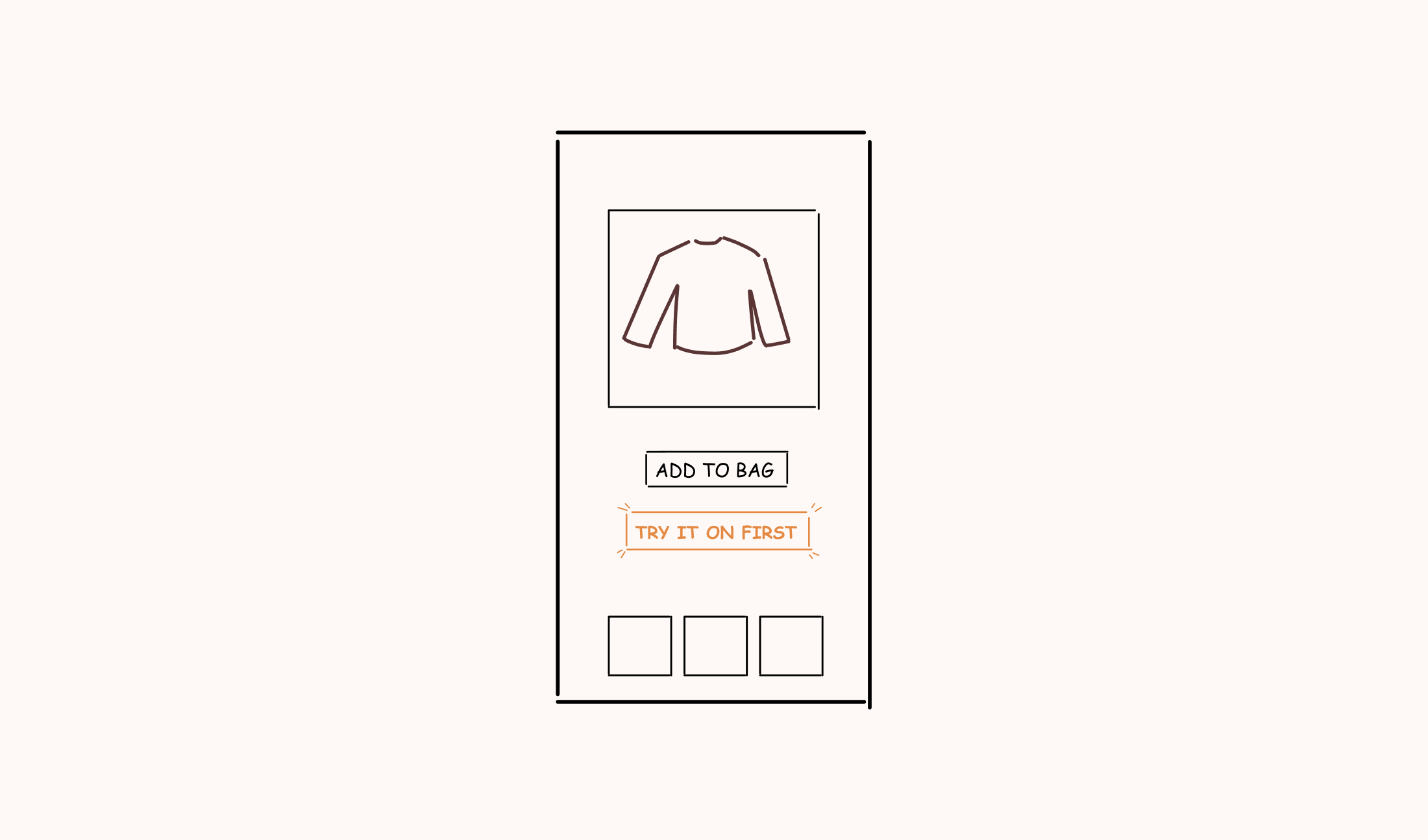
Understanding how physical and digital retail experiences could work together.
H&M faced a new challenge during the pandemic. Online shopping had picked up, and physical stores were being visited less often. I joined the team as a User Researcher to understand how physical stores and digital experiences could work better together.
The goal was to develop a deeper understanding of people's values, needs, and behaviors across the shopping journey, and explore what role physical stores could play as retail becomes increasingly digital.
I led the research through open conversations, diary studies, in-store research, and prototype testing, working closely with designers and managers throughout the process. Rather than treating research as a phase before design, I used it to continuously shape hypotheses, opportunities, and design direction.
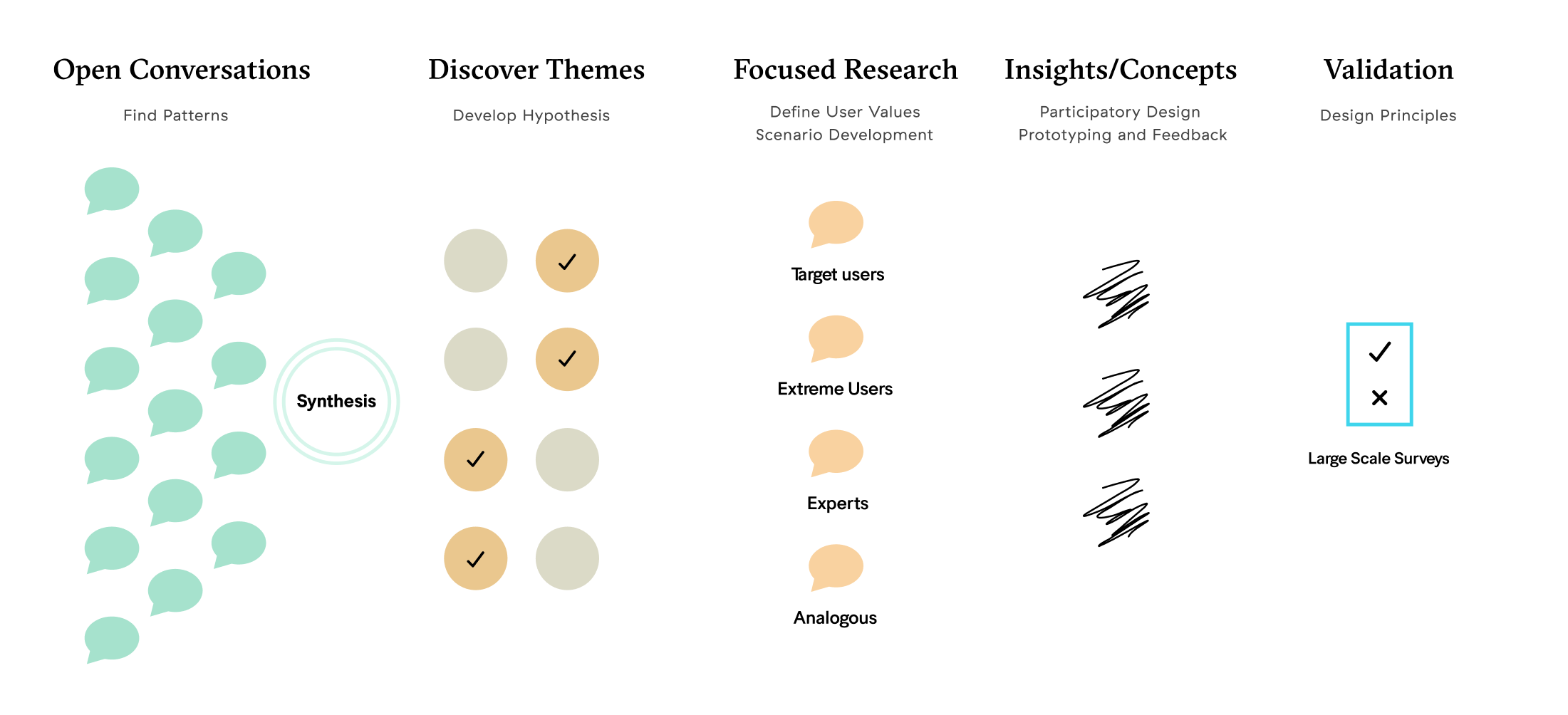
I started with open conversations rather than structured interviews.
At this stage, I wasn't looking to validate a set of assumptions. I wanted discovery to happen. I wanted to understand people's experiences in their own words, find unexpected patterns, and discover who we should talk to next.
Recruitment followed a snowball approach. After each conversation, I asked people if they knew someone with a different experience, background, or perspective who might be interesting to talk to.
This allowed the research to evolve as we learned.
Talk → discover → find someone new → talk again.
Each conversation gave me new stories and questions, which shaped where I looked next.
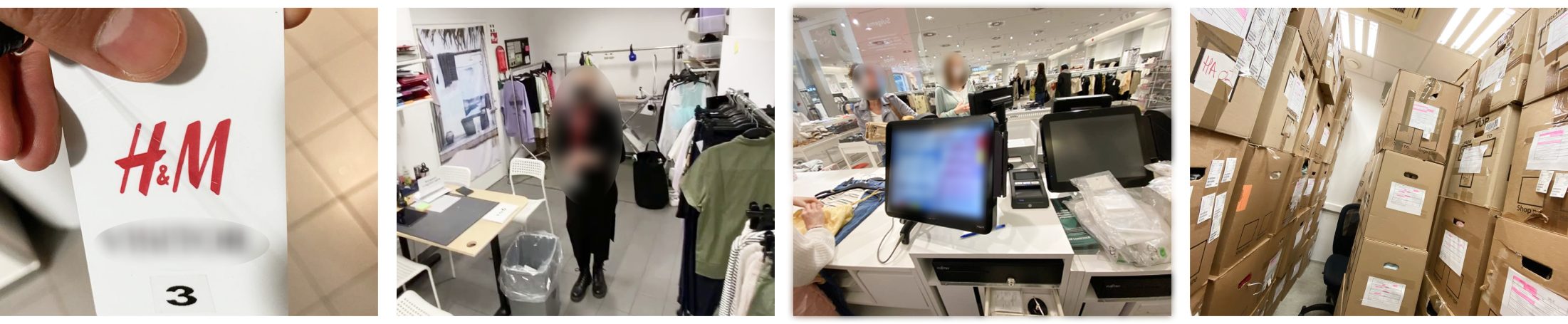
Alongside shoppers, I also visited a few H&M stores and talked with store managers and staff.
Conversations can tell us a lot about how people think about an experience. But people don't always remember everything they do, and some of the most interesting moments are things they don't think to mention.
I therefore asked participants to document their own journeys using their phones. They could take photos, record video, and film different moments of their experience as they moved through their day.
This gave us access to situations that would have been difficult to capture through a conversation alone.
One example was the fitting room. It was an important part of the physical shopping experience, but not something people naturally talked about when describing their journey.
Seeing the experience through their eyes opened up a much richer understanding of what actually happens across the journey.
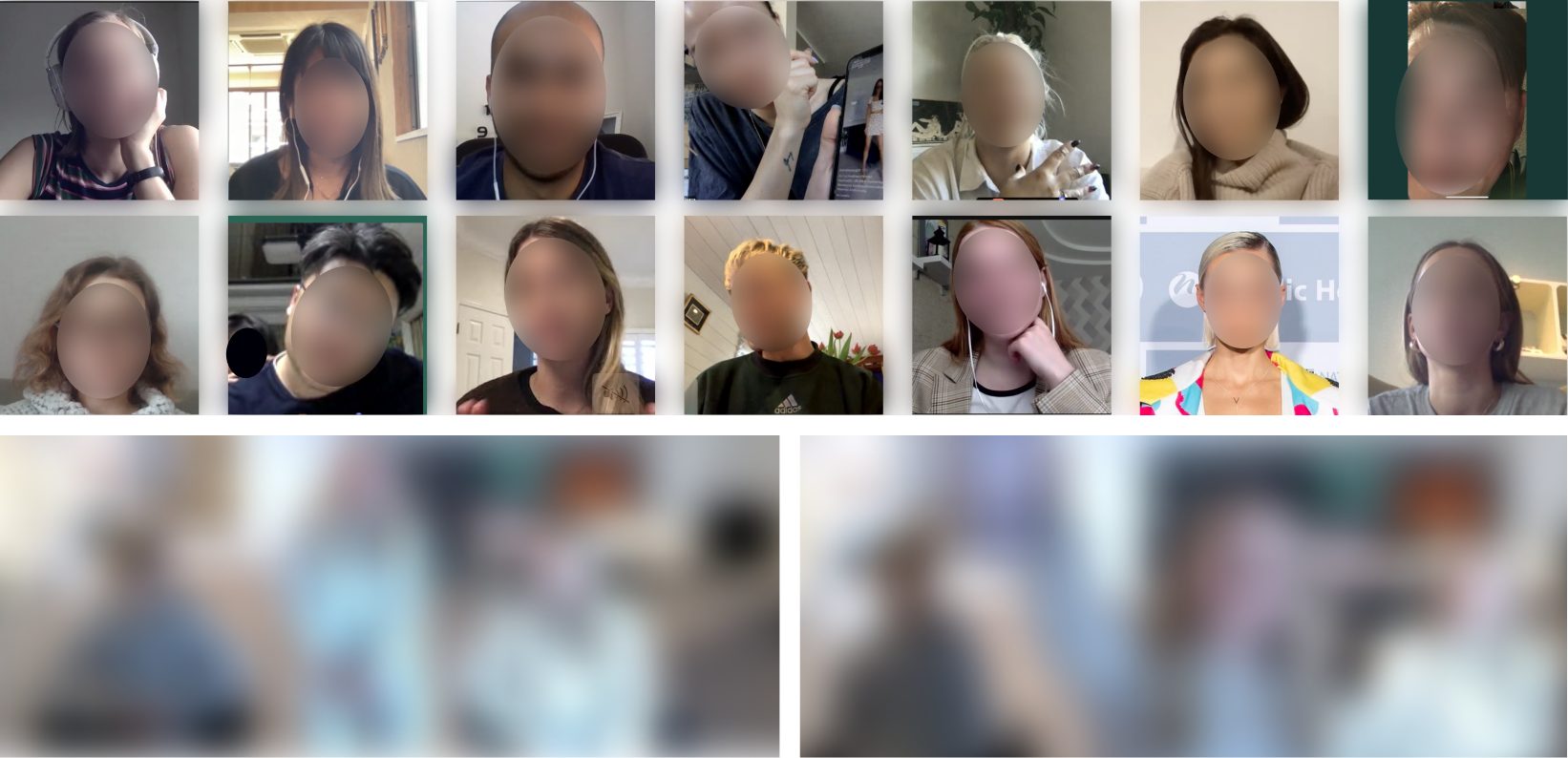
Scenes from video diaries recorded by 50 participants
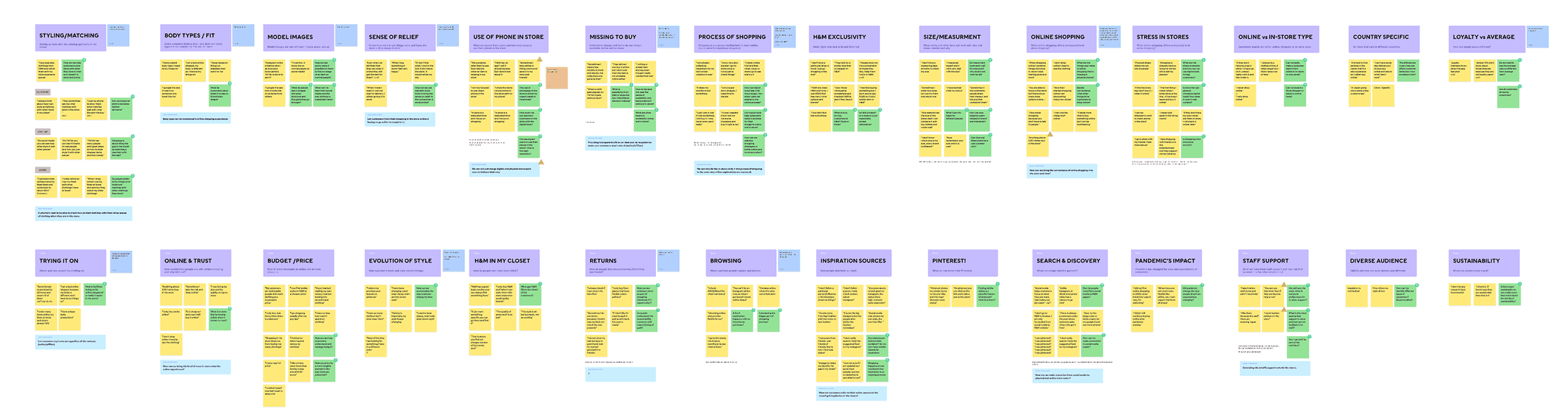
I continuously captured stories, observations, quotes, and behaviors from the conversations and diary studies, looking for patterns across them.
Rather than waiting until the end of the research to synthesize everything, I used emerging themes to decide where to look next.
A pattern would lead to a question. The question would lead to another conversation or research activity. Gradually, the broad exploration became more focused, and the themes became the foundation for developing hypotheses and deciding what needed deeper investigation.
Stories → Themes → Questions → New Research → Hypotheses
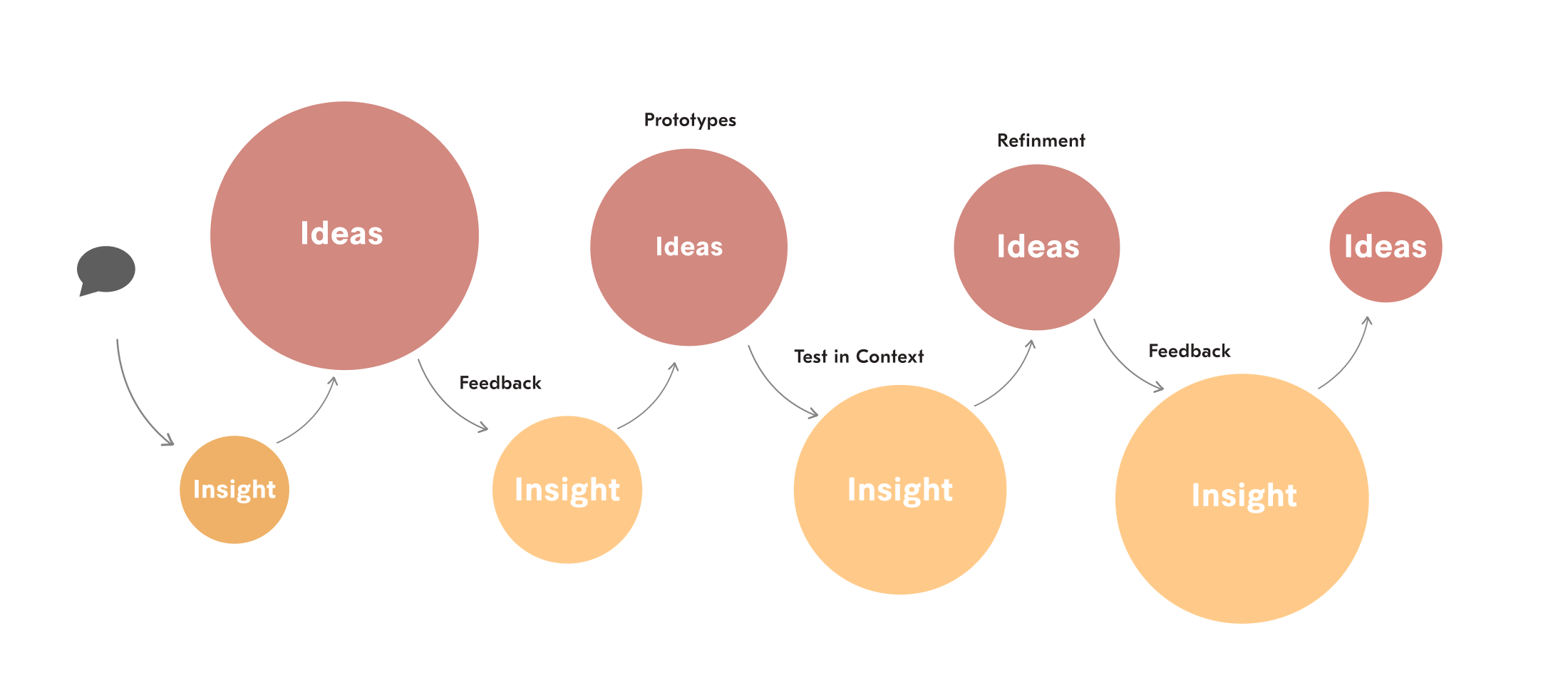
The research process was not linear. Insights changed the questions, and the questions shaped the next round of research.
As themes started to emerge, I used surveys and quantitative research to validate some of the patterns and understand how broadly they applied.
I chose to use stories instead of traditional personas.
Rather than reducing people to a set of characteristics, I wanted the team to remember the actual people behind the research, their lives, motivations, behaviors, and experiences.
Stories brought these things together in a way that was easier to understand and discuss.
Instead of saying "our persona does this," we could talk about what actually happened to someone.
Who they are. What they were trying to do. What happened. What mattered to them.
These stories became a way to share research with the wider team and keep real people at the center of the conversation.

As the themes became clearer, I developed hypotheses around specific behaviors and opportunities.
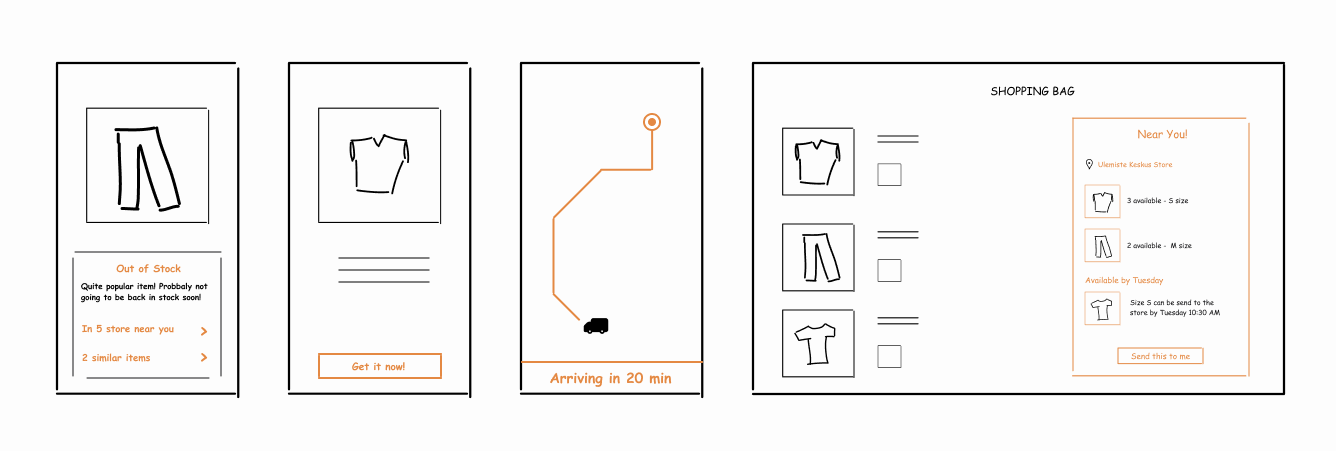
I brought these hypotheses back into research and used prototypes to explore how people might respond. I created simple setups that allowed participants to interact with concepts on their phones while I observed how they understood and used them.
I asked people to think aloud and speak freely. There was no right or wrong answer. The goal was to understand what made sense, what didn't, what they expected to happen, and where our assumptions were wrong.
Each session gave us new insights, which helped refine the hypotheses and shape the next ideas to explore.
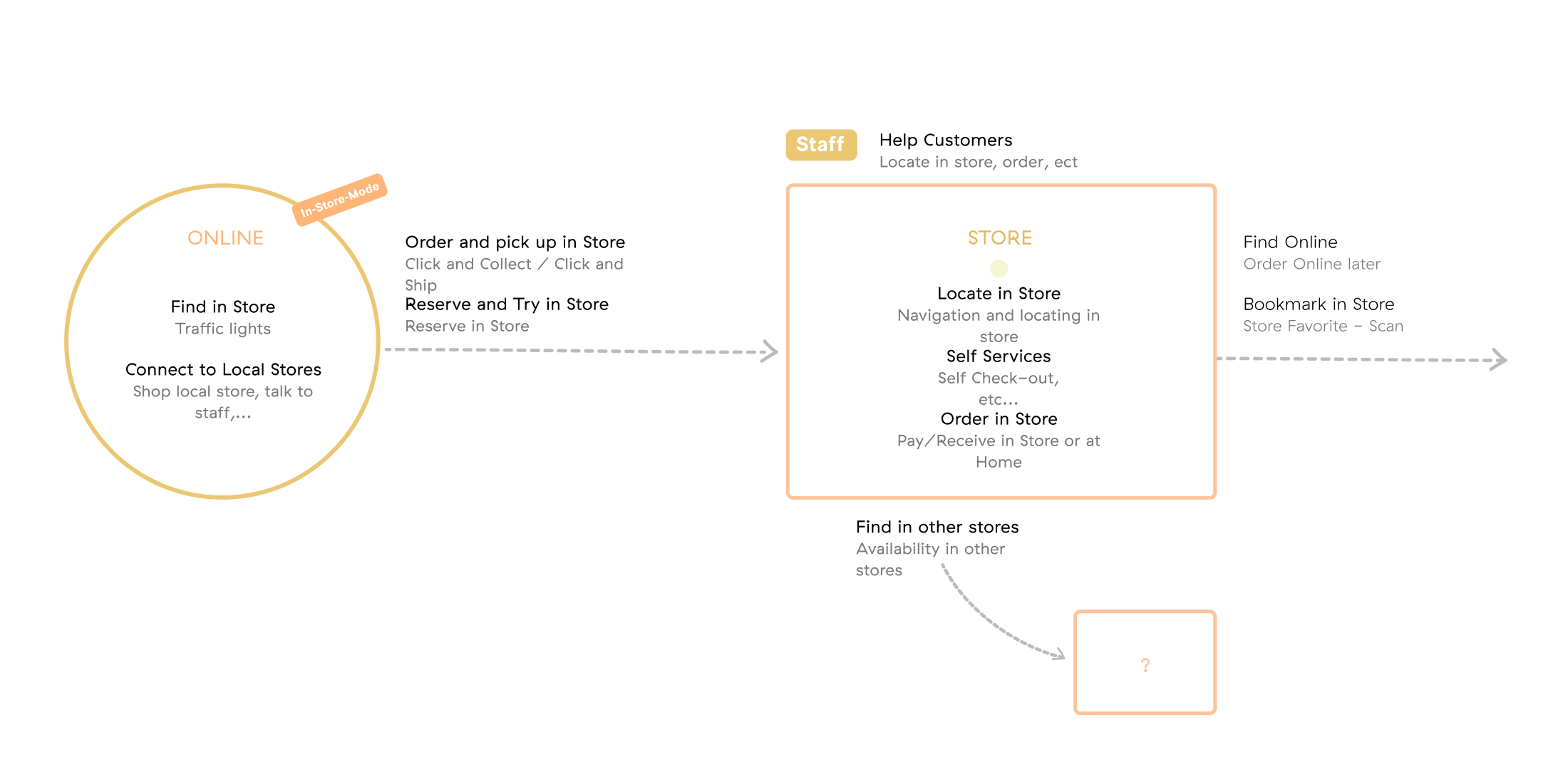
01Physical stores can have a more meaningful online presence.
For Gen Z, if it isn't online, it may not exist.
How might we make our physical stores more approachable online?
02The function of physical stores can evolve.
As customers become more accustomed to online experiences, the role of the store can change.
How might we bring the convenience of online experiences into the store?
03Customers shouldn't be expected to engage with digital tools just because they are available.
Digital tools need to offer enough value to earn people's attention.
How might we provide digital tools at the right place and time?
04Services should build on the values customers associate with H&M.
Affordability was an important value to consider when exploring new services.
How might we offer services that align with the values customers associate with H&M?
05Customers shouldn't feel left alone across the journey.
Different customers need different options to accomplish their goals.
How might we help customers understand their options and make better decisions?
Research only becomes useful when it changes what the team does.
I translated the findings into considerations, opportunity areas, and high-level directions that the design team could work with.
Instead of stopping at "people do this," I asked:
What does this mean for the experience?
Insights became hypotheses. Hypotheses became ideas. Ideas became concepts that could be discussed, prototyped, and tested.
The process was continuous, moving between insights and ideas, with each round of research helping us refine the direction.
I used these insights to help the team define design principles and explore high-level concepts for the experience. I intentionally kept these directions open rather than designing the final solution myself, giving the design team a clear foundation to build on while leaving room for exploration.
What we learned became something the team could act on.
My role on this project was less about being the person who had all the answers and more about facilitating understanding.
I helped the team get closer to real people, make sense of what we were learning, and continuously connect those learnings to the design process.
The most valuable part of the research wasn't simply the insights we collected. It was creating a shared understanding that designers, managers, and researchers could use to make decisions together.
For me, good research shouldn't create a handoff between research and design. It should create a conversation between the two.
I joined H&M as a User Researcher on an 8-month contract, leading research into how physical and digital retail experiences could work together.
H&M, Stockholm