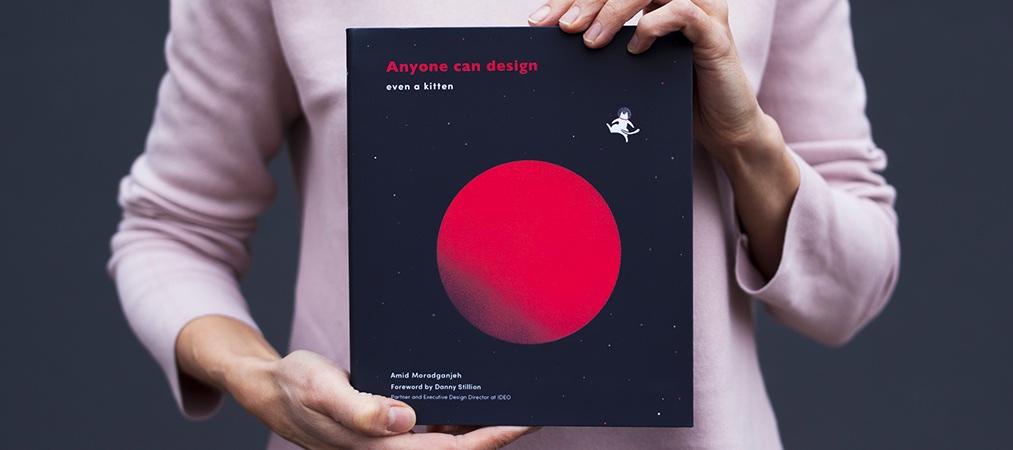
I believe in a future where technology is more integrated into our lives, less visible, and more aligned with what people actually value.
A few ideas that shape how I think about design.
Empathy
We design things for people, so understanding people should be at the heart of design.
Empathy is more than understanding what people do, what they say, or what they think they need. It means trying to understand what they truly value.
For me, building empathy is not a phase that happens at the beginning of a project. It is a way of thinking that should stay with us throughout the design process.
Designing in the Age of AI
As technology becomes more intelligent, our interactions with it can become more like human-to-human interactions. Technology can understand context, respond to us, adapt to us, and increasingly take action on our behalf.
This changes what it means to design for technology. It is no longer only about making interfaces simple and understandable. It is increasingly about designing relationships, behaviours, and interactions between people and technology.
As these interactions become more human, designers need to think not only about how a product works, but how it behaves, when it should act, how it should respond, and what kind of relationship it creates with the person using it.
That is where I think empathy becomes an even more powerful design tool.
From Designer to Builder
AI is making it possible for designers to turn ideas into working products much earlier in the process.
Building has always been an important part of design. Making something gives us something to react to, test, and learn from. Now designers can take that further by becoming more directly involved in building and shaping the products they imagine.
This doesn't mean designers should replace engineers. It means the relationship between design and engineering can become more integrated, with designers able to explore ideas faster, build more themselves, and work more closely with engineers to bring products to life.
Embracing the Unconventional
Design isn't always about finding the best answer among the existing options. Sometimes it is about creating options that don't exist yet.
Exploring unusual, abstract, or even seemingly unrealistic ideas can open up new possibilities.
That requires being comfortable with ambiguity, uncertainty, and failure. Not every idea needs to work. Sometimes the value is in what we learn from exploring it.
Designing Together
The best ideas rarely come from one person working alone.
Different perspectives bring different experiences, questions, and ways of seeing a problem. A diverse team that is willing to share ideas, challenge each other, and build on what others bring can reach places that one person cannot.
For me, collaboration isn't simply about getting people involved. It is about creating the conditions for better ideas to emerge.